When you're learning Hebrew, picking the right book can make or break your progress. A good textbook builds your foundation systematically. A bad one — or the wrong one for your level — leaves you frustrated and wondering why nothing is sticking. I've seen it happen too many times.
I'm a native Hebrew speaker and teacher based in Israel, and over the years I've worked through dozens of Hebrew learning books with students. The ones on this page are the ones I come back to again and again — the books that actually deliver results. None of these are paid placements. These are honest recommendations based on real classroom and self-study experience.
No single book covers everything. The approach that works best is combining a structured textbook with lighter story or entertainment material for reading practice. Below, I've organized my recommendations into three categories: beginner textbooks for systematic study, story books for building reading fluency, and Biblical Hebrew resources for those focused on scripture and liturgy.
Disclosure: Some links on this page are Amazon affiliate links. If you buy through them, Hebrew Mastery earns a small commission at no extra cost to you. I only recommend books I genuinely stand behind.
Beginner Textbooks — Build Your Foundation
If you're starting from zero or near-zero, a structured textbook is your best first purchase. These two are the ones I recommend most often — they take different approaches but both deliver solid results.
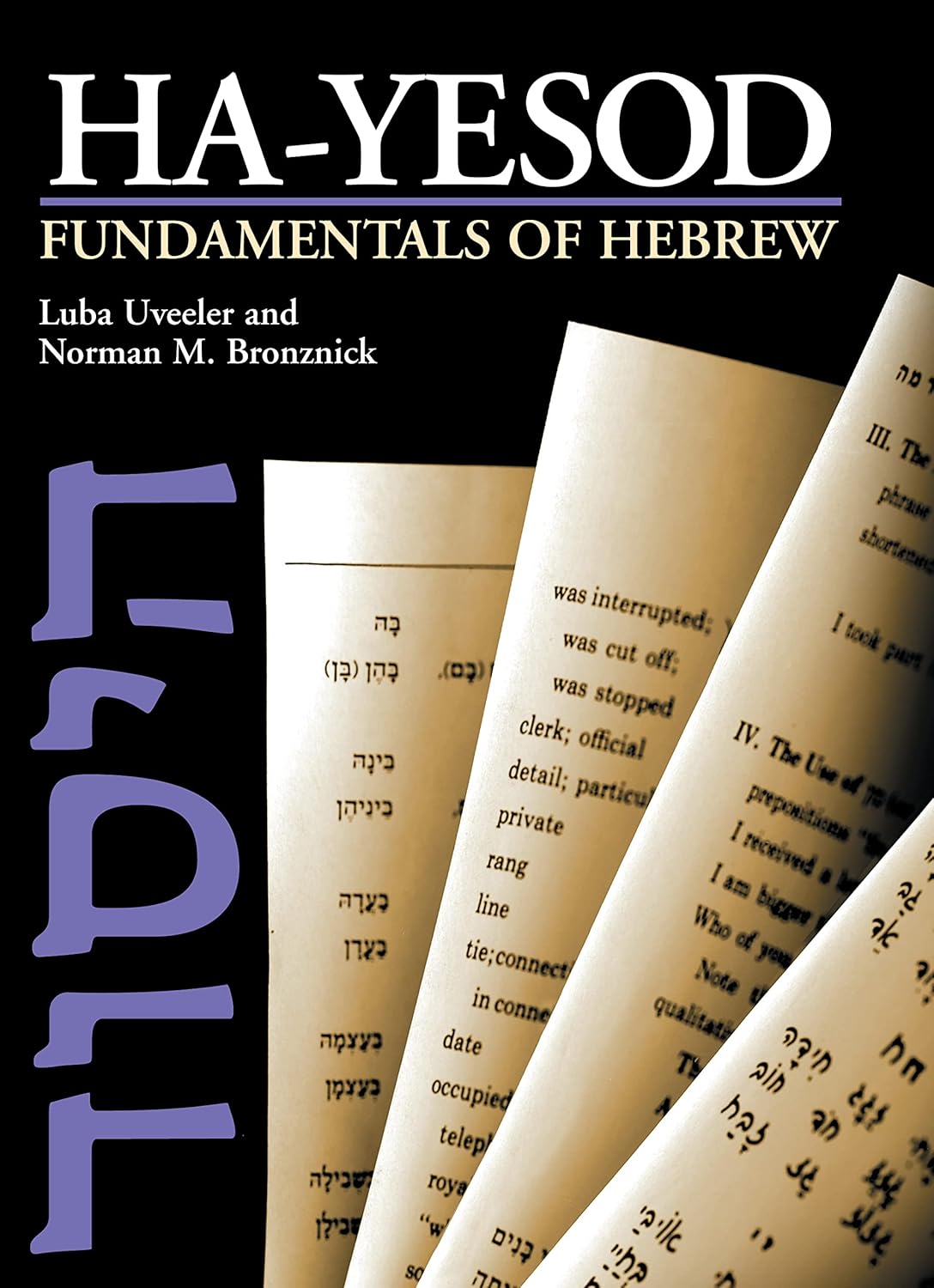
One of the most respected beginner textbooks for Modern Hebrew. Well-structured and ideal for self-study, it builds solid grammatical foundations through clear explanations and progressive exercises. Originally published in 1991 but still fully relevant — grammar doesn't expire. A great first textbook if you want a serious, thorough grounding.
View on Amazon →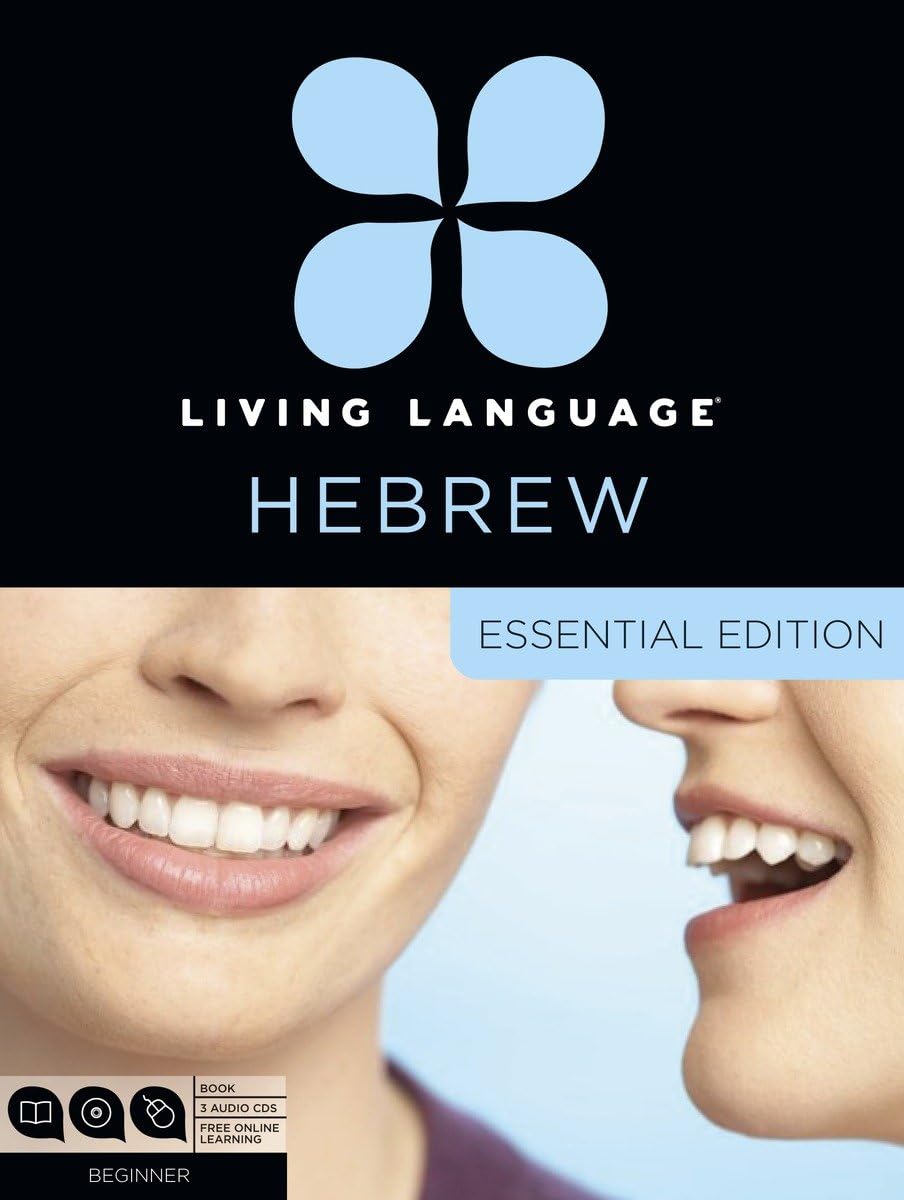
A comprehensive three-level course — Beginner, Intermediate, and Advanced — bundled with audio recordings. One of the most complete self-study programs for Modern Hebrew. The audio component makes a real difference for pronunciation. It is on the pricier side but covers an enormous amount of ground. Look for used copies to save money.
View on Amazon →Story Books — Practice Through Reading
Here's something most Hebrew courses won't tell you: the fastest way to accelerate your progress is to start reading simple Hebrew text alongside your textbook — even before you feel "ready." Children's books with niqqud (vowel points) are perfect for this. The language is simple, the vocabulary is high-frequency, and vowel marks remove the guesswork of figuring out how unfamiliar words are pronounced.
These three books are the ones my beginner and intermediate students reach for most often.
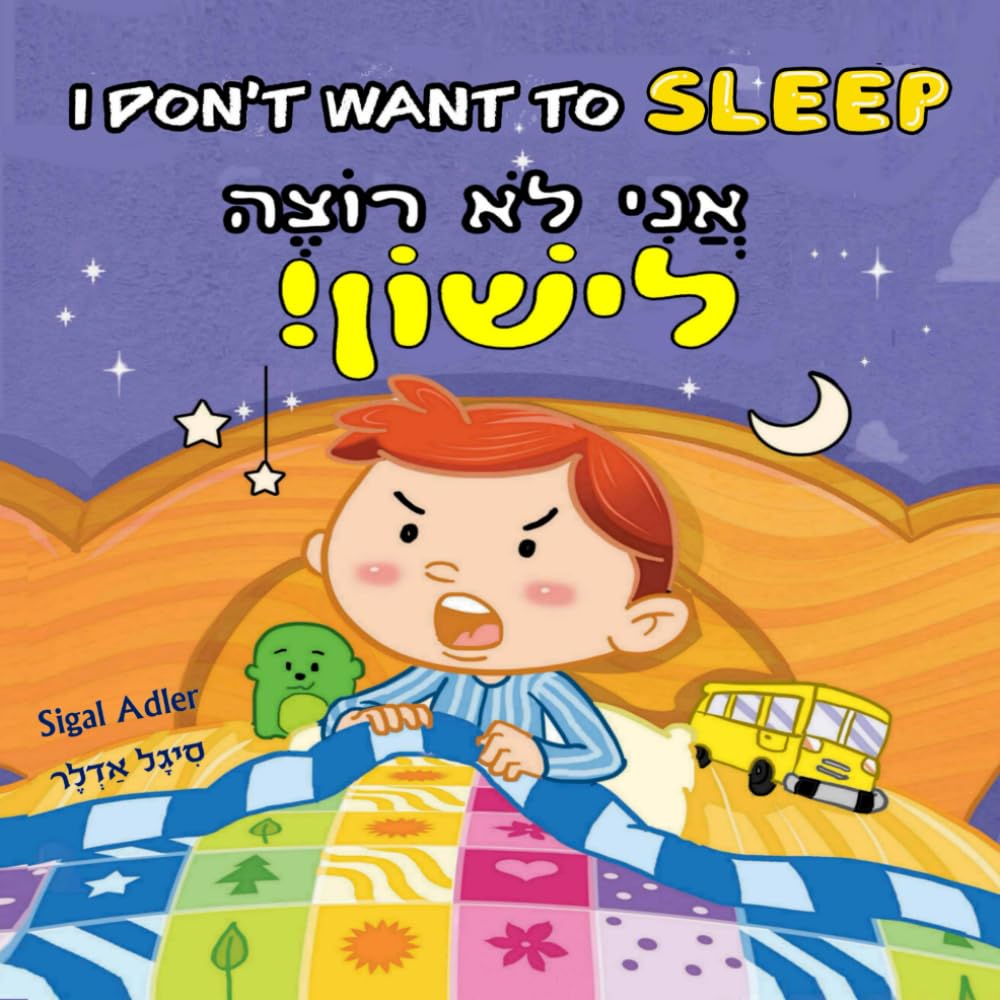
A charming picture book fully written in Modern Hebrew with niqqud. Simple, repetitive sentence structures make it ideal for beginners to practice reading aloud. One of the most used Hebrew practice books for adult learners precisely because the language stays natural and the vocabulary is genuinely everyday.
View on Amazon →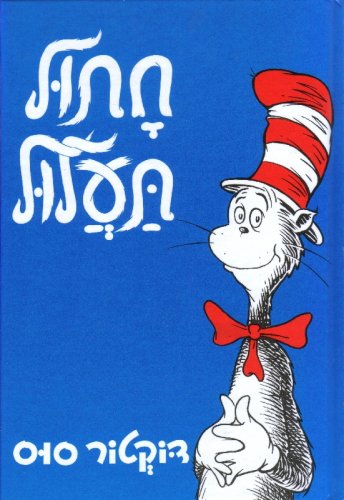
The classic Dr. Seuss story in Hebrew. The rhythm and repetition of Seuss translate surprisingly well and make it excellent for reading practice. The Hebrew edition includes niqqud, so vowels are visible — exactly what beginners need. A fun way to build reading fluency without feeling like study.
View on Amazon →
One of the best-selling children's books of all time, now available in Hebrew. The short, simple sentences and familiar vocabulary ("moon", "room", "night") make this perfect for absolute beginners. Great for learning noun-adjective agreement and basic sentence structure in context.
View on Amazon →Biblical Hebrew — For Scripture and Liturgy
If your goal is reading the Torah, the siddur (prayer book), or understanding Biblical texts in the original — rather than conversational Modern Hebrew — you need resources built specifically for that purpose. Modern Hebrew and Biblical Hebrew are related but distinct registers with different vocabulary, grammar conventions, and pronunciation. The books below are built for Biblical study from the ground up.
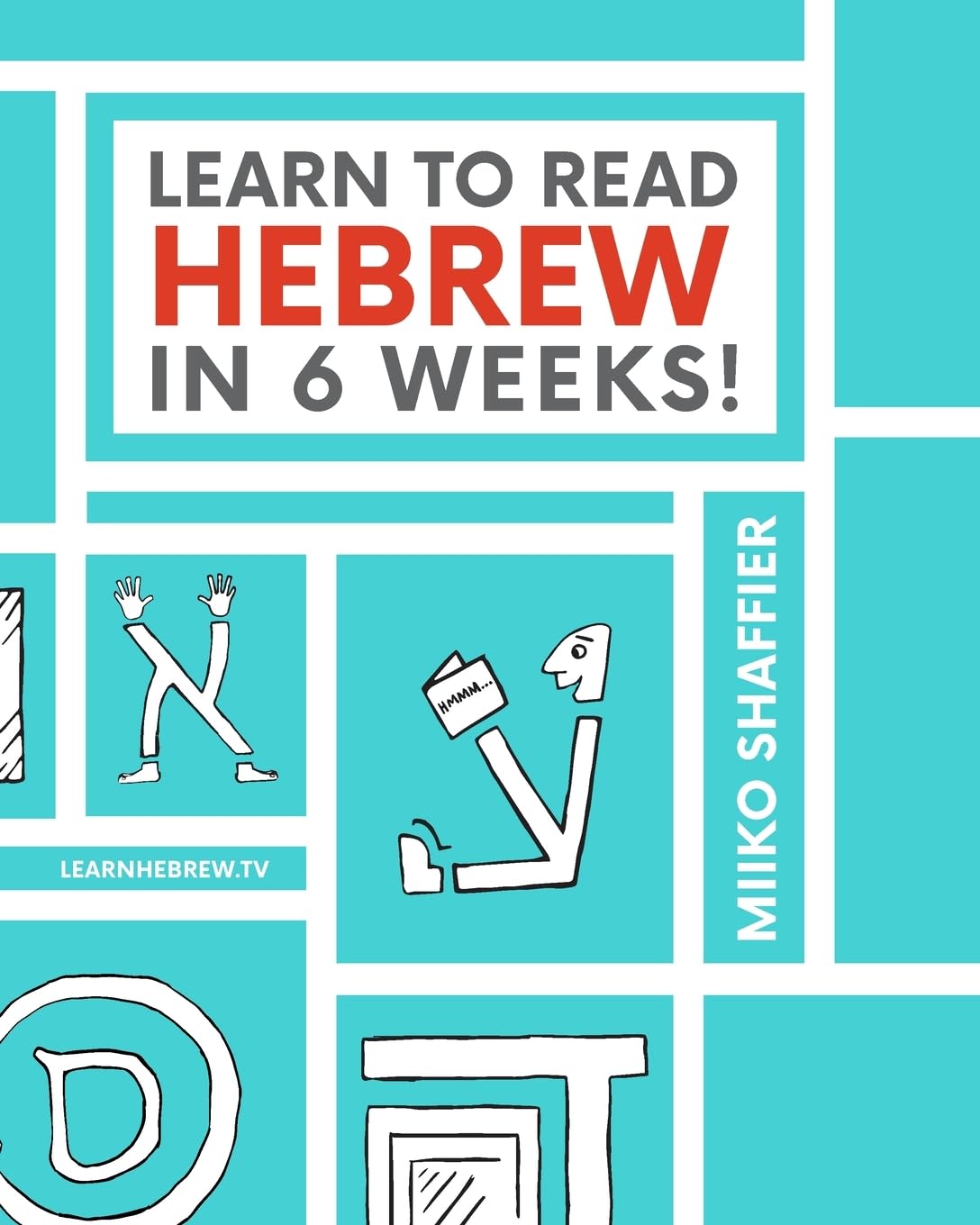
A focused, no-fluff guide for learning the Hebrew alphabet and basic reading in the Biblical context. If your goal is reading the Torah, the prayer book, or understanding liturgy rather than speaking Modern Hebrew, this is an efficient starting point. Works best as a companion to a grammar textbook, not as a standalone course.
View on Amazon →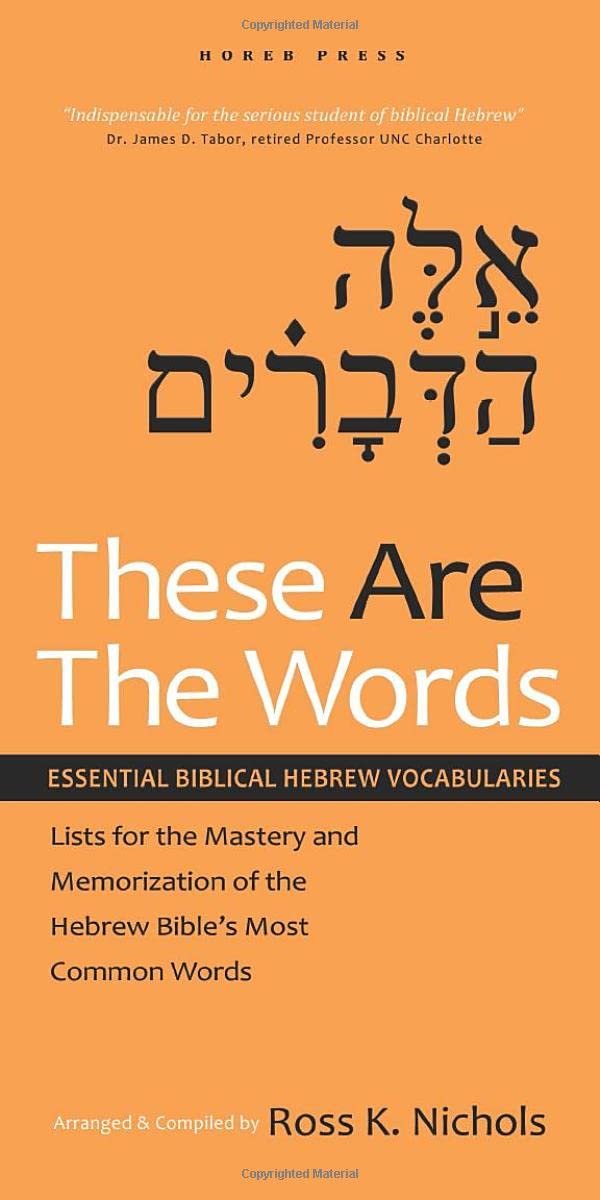
A solid vocabulary reference for Biblical Hebrew learners who need to build a working word bank for reading scripture. Organised by frequency — the words that appear most often in the Hebrew Bible come first — so your study time is always spent on high-yield vocabulary. Best used alongside a grammar textbook rather than as a standalone resource.
View on Amazon →How to Combine These Books for Maximum Progress
No single book covers everything — and honestly, trying to learn from just one book is the most common mistake I see. Here's how to stack them:
- Start with one textbook — either HaYesod or Living Language Hebrew. Pick based on whether you prefer grammar-first (HaYesod) or audio-supported (Living Language).
- Add a story book immediately — even in week one. Spending 10–15 minutes a day reading simple pointed Hebrew builds your script recognition faster than any flashcard deck.
- Choose your register early — Modern Hebrew and Biblical Hebrew diverge significantly in vocabulary, grammar, and even pronunciation. Decide which is your primary focus and choose your main textbook accordingly.
- Use niqqud (vowel-pointed) texts while you're still a beginner — it removes the guesswork and builds correct pronunciation habits from the start.
- Plan to use at least two books at all times — one structured resource for systematic study, and one lighter book for relaxed reading practice. This two-track approach is what separates learners who stick with Hebrew from those who burn out.
Why Books Still Matter in the Age of Apps
With Duolingo, AI tutors, YouTube channels, and flashcard apps all competing for your attention, you might wonder whether Hebrew textbooks are even worth buying in 2026. The short answer: yes — for the right reasons.
Apps are excellent for bite-sized daily practice and keeping you consistent. AI tools like ChatGPT and Claude are genuinely powerful for answering grammar questions and generating custom exercises. But a well-written textbook does something neither apps nor AI can do: it provides a structured, sequenced curriculum designed by experienced language educators who understand the exact order in which Hebrew concepts should be introduced.
Hebrew grammar is cumulative — each new concept builds on the previous one. Skip ahead or learn topics out of order, and you'll create gaps in your understanding that eventually catch up with you. A good textbook prevents this. It's the skeleton that everything else — apps, AI practice, story books — hangs on.
The ideal modern Hebrew learning stack? A textbook for structure, a story book for reading fluency, and an AI tool for answering questions and generating practice exercises when your textbook doesn't give you enough. Each piece does something the others can't.
Which Book Should You Start With?
If you're standing in front of this list unsure where to begin, here's my quick guide:
- Complete beginner who wants serious grammar foundations: Start with HaYesod. It's methodical, thorough, and gives you the structural understanding that makes everything else easier later.
- Complete beginner who learns best by hearing and speaking: Go with Living Language Hebrew, Complete Edition. The audio component is a genuine advantage for pronunciation.
- Already know the alphabet and want to start reading: Pick up I Don't Want to Go to Sleep or The Cat in the Hat (Hebrew Edition). Start reading aloud today — even if you don't understand every word.
- Studying for religious or academic Biblical Hebrew: Begin with Learn to Read Hebrew in 6 Weeks to master the script, then add These Are The Words for vocabulary building alongside a dedicated Biblical Hebrew grammar.
Whatever you choose, the most important step is the first one: pick a book, open it, and start. Hebrew is a beautiful, logical, deeply rewarding language — and the right book in your hands makes all the difference.