Welcome fellow Hebrew Learner. Are you having trouble with understanding or remembering the Hebrew nikud? Maybe you don’t even know what nikud is and you’ve just heard it in scary Hebrew scary fairytales. Chances are you know the what it is but just find it a hard time to understand or remember it.
Well look no further. In this article I will present the cleanest way to learn it, even easier than some Hebrew first graders learn. No SEO, no fluff. Just a clean way. I will focus on modern Hebrew , but this applies to biblical too. Throughout the years many of the sounds were (for lack of a better word) blended. That’s why “kamatz” and “patach” nikkud sounds sounds the same nowadays and the letters Aleph and Ayin sound the same (in ancient time the ayin was harder/rougher.
The guide was written to liberate new learners from the useless complicated sources that write over 2000 word articles to teach it.
What is the Hebrew Nikud?
The Hebrew nikud are essentially small symbols near the Hebrew letters that determine that vowels. Let me show you right up front.
Lets take the letter Lamed
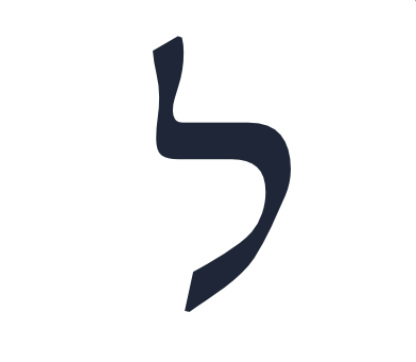
This letter can sound La, Li, Lu , Le , Lo depending on the nikkud. (a,i,o,u,e) are replaced as nikkud symbols. For example:
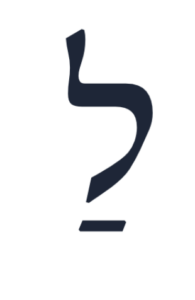
Now this will have the sound La, that small line we added under the letter determines the Lamed to sound like La.
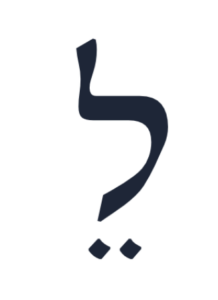
And adding these two dots will give an ‘e’ vowel effect. So this is pronounced Le
So two horizontal dots(called tzire) give us an ‘e’ vowel. Giving us sounds like le,e,ye, re, de, etc. And a horizonal like(called Patach) gives us sounds like : a, ra, da, ma, sa, etc.
So far so good? I will give more examples in the next section.
The simple nikud table
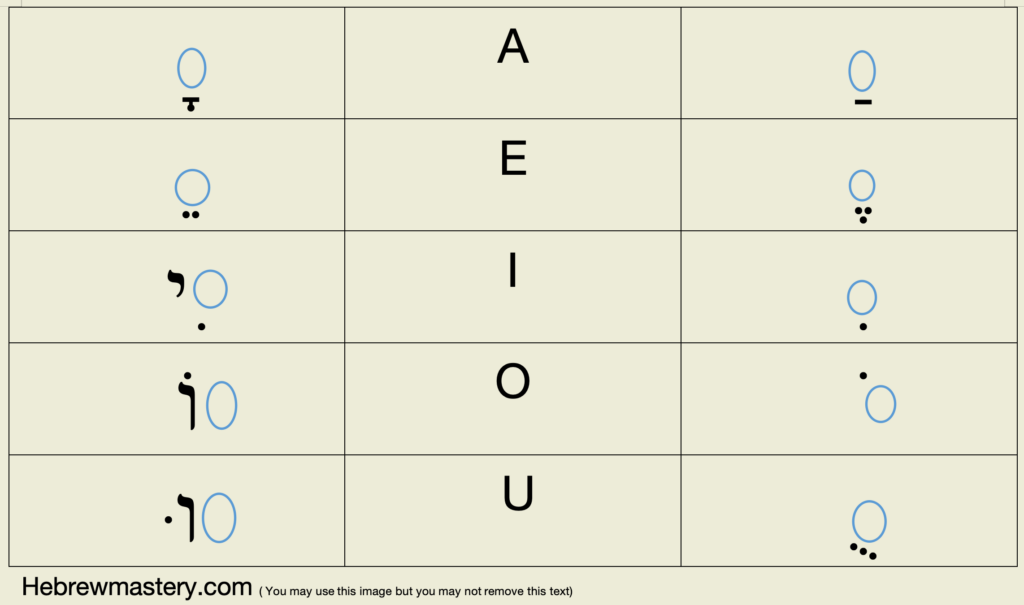
Here’s a basic nikud table, first master this and then we will continue, understanding this is practically 85% of the work!. As you can each line represents a vowel, and some even contain letters. Each of the vowels sounds in the table has two options, both read as the same. Pay attention to the location of the symbols.
If you don’t remember the Hebrew letters, open this link in another tab.
Let’s take some examples:
מָ , מַ – This will sound Ma
מִ , מִי – Both of those will sound as Mi (the yod isn’t really a vowel, but seeing it in most cases indicate an “i” sound)
מֹ and מוֹ -> This will give a Mo sound.
מֻ and מוּ -> Those give a Mu sound (pay attention to the location of the dot in the Vav letter)
מֶ and מֵ -> Give’s an e, like in the word Met
If you need help with the pronunciation with a native accent you can watch my video about the hebrew letters here I pronounce each letter with all the vowels.
Simple word examples:
חָבֵר – HaVeR (friend)
חֶדֶר – HeDer (room)
לָלֶכֶת – Lalechet (To go)
טוֹב – Tov (Good)
עִבְרִית – Ivrit (Hebrew)
Once you feel comfortable with this, let’s move on 🙂
The same table with the nikkud names:
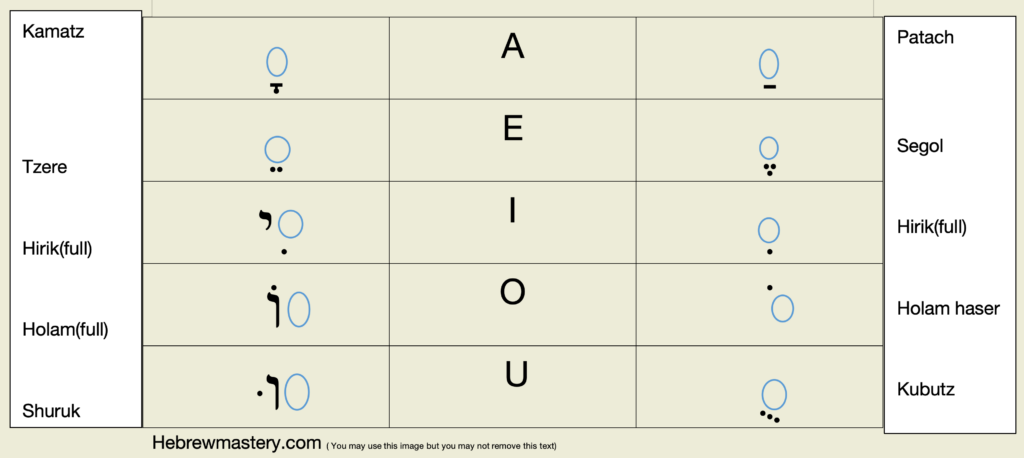
*Special case for Patah for ח and ע at the ending of the word
This is a special rule for the Patah nikud (the small line that makes a letter sound like A). If it is under the letters Ayin or het, there will be be an A sound better the letter and the letter itself will be silent.
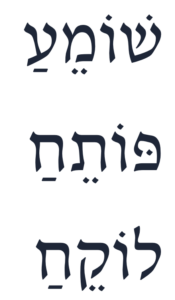
These words will be pronounces:
Shome[a], Pote-ah[H] , Loke[Ah][H]
The Het is silent itself, just an A sound before it. With the Ayin you could say it is just like a normal patah.
Dagesh
I’ve explained dagesh in my Ultimate Guide for the Hebrew letters but since it’s relevant to the topic I’ll re-introduce it again in the most simple terms.
Dagesh is a nikkud symbol that looks like a dot:
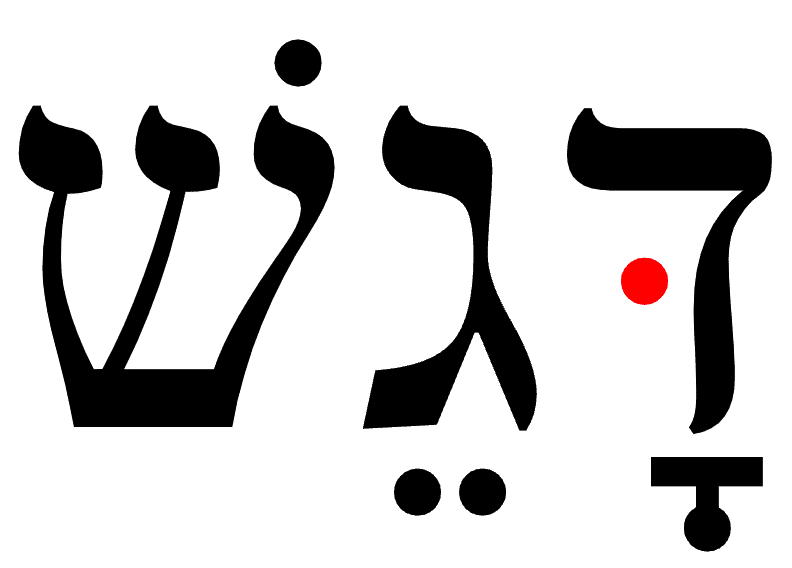
It changes the way a letter sounds but only specific letters. In modern Hebrew these are the effected letters: ב, כ , פ
- Bet ב can sound Va, Ve, Vi Vu and Vo but with a dagesh בּ sounds like Ba, Be, Bi, Bo , Bu
- Kaf כ can sound Ha, He, Hi Hu and Ho but with a dagesh כּ sounds like Ka, Ke, Ki, Ko , Ku
- Pe פ can sound Fa, Fe, Fi Fu and Fo but with a dagesh פּ sounds like Pa, Pe, Pi, Po , Pu
For dagesh in other letters, it won’t change the sounds.
Hataf nikkud
You will also encounter hataf nikkud, which looks like a nikud symbol + shva. Here is how to interpret them:
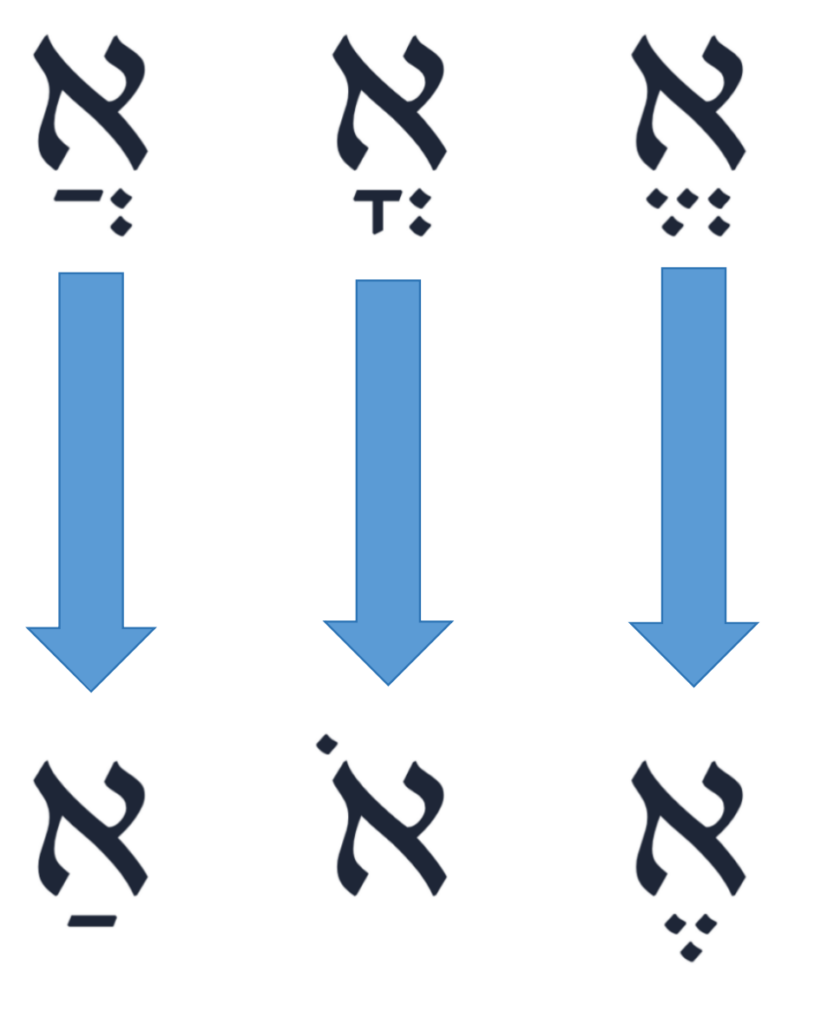
The kamatz + shva (hataf kamatz) is the only one the stands out and gets an O sound (like kamatz katan), the others just ignore the two horizontal dots.
Shva (שווא) and the small Kamatz
Congratulations on reaching this point so far. Now we’ve reached the point which I’d like to consider the hardest for the Modern Hebrew learner ( and for the biblical Hebrew learners ). There are two nikkud elements which which sounds different depending on the sounds around them.
To truly master them and know when they sound, you’ll have to learn a lot of rules and look at the nikkud through a bit of a different lens. Let me show you them first:
The small kamatz
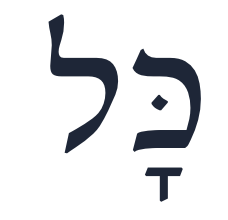
This word is not read as Kal, but as Kol (which mean every). This kamatz (which we learned is an A vowel) looks exactly the same as the kamatz for the O sound. The first is called a Big kamatz, and this one is called a small kamatz.
Shva
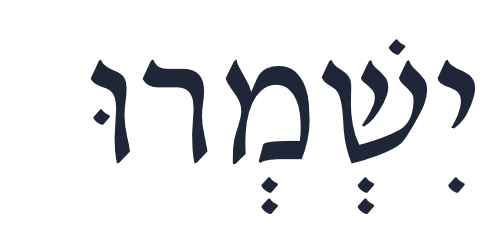
Lets have a look at this word , it is read “ishmeru”
The shva nikkud on the Shin letter gives us a silent [sh] sound. (This is called Shva nach, reseting shva)
and the vowel on Mem gives us an E vowel. (This is called Shva nah, moving shva)
I will offer you a choice now, you can either just be aware these two exist and don’t learn the “complex rules”. You could just learn the word and remember how to pronounce them (as most Hebrew natives speakers do, most don’t remember these rules and modern Hebrew is written without nikkud). Here are some of the commonly found words with kamatz katan:
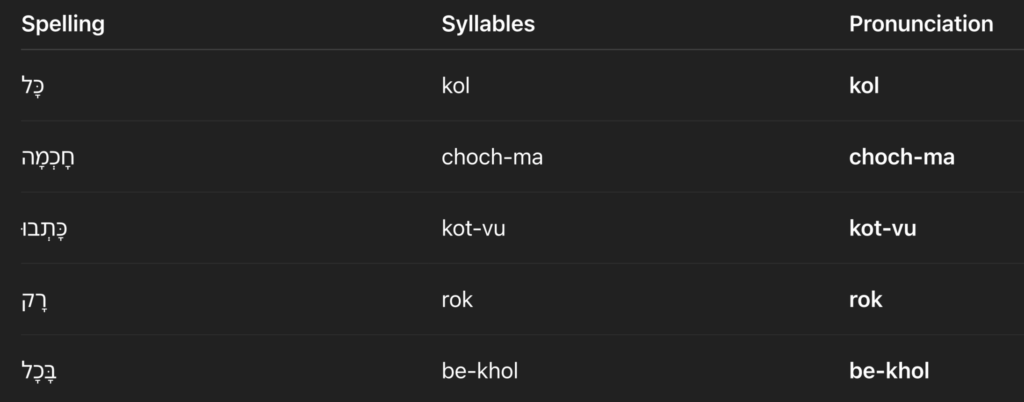
I will also mention that if your priority is reading prayers, nowadays you will have these two marked what kind of sounds they make. The big kamatz will be bigger and the shva will be indicated if it’s moving or not. Most of the kamatz in Hebrew are with an A sound( but it’s still important to know when to give an O sound).
You can practice all you learned this far and return to this point later, if you see a kamatz assume it’s a small one. Feel free to look at the games section for Nikud Pro (you don’t need the next advanced rules to practice it, it does not include the small kamatz and the shva that’s moving)
The Rules For Small Kamatz and For Shva (advanced)
Welcome to the advanced section of this nikkud guide. So far I’ve kept this very simple and easy to follow. Here it might get a little bit complex. Here are the official rules for this. Keep in mind this is taken from an official source:
Kamatz Katan (קמץ קטן)
Definition:
- Kamatz Katan is a short “o” sound (like “o” in pot), not the long “a” sound of a regular kamatz (as in father).
- Visually, it looks identical to a regular kamatz, so you identify it by context.
Rules for identifying Kamatz Katan:
- Position in the word:
- If the kamatz appears in a closed syllable (syllable ending with a consonant), it is usually a regular kamatz.
- If it appears in an open syllable (syllable ending with a vowel), it may be a kamatz katan.
- Conjugation and inflection rules:
- If a word is inflected and the kamatz stays in the same place (does not turn into a regular kamatz), it’s a kamatz katan.
- Example:
- חָכָם → חֲכָמִים
- The kamatz under the ח is a kamatz katan because it stays in the same position.
- חָכָם → חֲכָמִים
- By word type (verbs and nouns):
- Certain verb patterns (gzerot) maintain the kamatz in future or imperative forms as a kamatz katan if it remains in an open syllable.
- Some nouns have kamatz katan in the root, e.g., בּוֹרֵא → the kamatz under the ב is a kamatz katan.
Practical tips:
- A kamatz in front of a consonant that cannot take a vowel (like בַּיִת) in an open syllable is often a kamatz katan.
- Kamatz katan is always pronounced as a short “o”.
Shva Nach vs Shva Na
Definition:
- Shva (ְ) can be either:
- Shva Nach (resting shva) → silent, not pronounced
- Shva Na (moving shva) → pronounced as a short e
Rules to distinguish them:
A. Shva Na (pronounced)
- At the beginning of a word or syllable → always pronounced.
- Example: וְ /ve/, מְלָךְ /me-lakh/
- At the beginning of a syllable inside a word after a consonant → pronounced.
- Example: מִשְפָּט → shva under the ש is pronounced
- After a short vowel (patach, segol, or kamatz katan) → pronounced.
- Example: חֲנִית → shva under the ח is pronounced
B. Shva Nach (silent)
- At the end of a word → always silent.
- Example: מַלְכוּת → shva under the ל is silent
- In a sequence of two shvas inside a word → first is pronounced, second is silent.
- Example: מִשְפְּטִים → shva under ש is pronounced, under פ is silent
- After a strong consonant or after a “repha” consonant inside a word → usually silent
